Solutions for Cleaner Air
The distinct emissions profile of Karachi, with major contributions from industrial activities, transportation (particularly heavy-duty vehicles), and port operations, points towards specific high-impact opportunity areas. Analysis indicates that implementation of a preliminary set of recommendations could achieve a reduction in urban PM2.5 emissions by up to 50%.
The following interventions are identified as priorities for Karachi:
Priority 1: Modernizing Industrial Controls
With industrial sources as the single largest contributor to Karachi’s PM2.5 pollution (49%), mandating modern emission controls in this sector is the most impactful intervention available to address hazardous air quality.
Mandate best available control technologies: Large industrial facilities, particularly in sectors such as steel manufacturing, cement production, and power generation, must be required to install and efficiently operate state-of-the-art emission control technologies. This includes the widespread adoption of Electrostatic Precipitators (ESPs) or fabric filters (baghouses) for particulate matter abatement from all major sources.
Implement Flue Gas Desulfurization (FGD): For facilities combusting high-sulfur fuels, such as coal or fuel oil (e.g., in power plants and certain industries), the installation of FGD systems is essential for addressing Karachi’s high SO2 emissions.
Establish Continuous Emissions Monitoring Systems (CEMS): A regulatory framework emphasizing the mandatory installation and operation of CEMS for all large industrial facilities is critical. CEMS provide real-time emissions data, which improves enforcement capabilities, facilitates self-monitoring by industries, and supplies valuable data for future policy refinement and inventory updates.
Develop and enforce industry-specific standards: Emission standards tailored to specific industrial sectors, aligned with international benchmarks and best practices, should be developed and rigorously enforced.
Promote Green Financing mechanisms: Establishing financial incentives and green financing mechanisms can support industries, particularly Small and Medium Enterprises (SMEs), in adopting cleaner technologies and meeting stricter environmental standards.
Priority 2: Cleaning Up Ports and Shipping
Karachi’s port-adjacent areas are major pollution hotspots, with significant contributions from shipping. To address this unique challenge for Karachi, specific interventions like shore power and cleaner fuel standards within port boundaries are essential.
Install shore power: Enabling docked vessels at both major ports (Karachi Port and Port Qasim) to connect to the electricity grid rather than running their auxiliary engines on-board can significantly reduce particulate matter, SO2, and NOx emissions within the port environment.
Implement fuel sulfur requirements: Enforcing stricter fuel sulfur limits for vessels operating within port boundaries and surrounding coastal waters, potentially exceeding existing international MARPOL standards, would directly address a significant source of SO2 and particulate emissions.
Electrification of port handling equipment: Transitioning port-based cargo handling equipment (e.g., cranes, yard tractors) from diesel to electric power where feasible can reduce localized emissions and noise pollution.
Regulate auxiliary maritime engines: Implement emissions controls for currently unregulated maritime auxiliary engines on various vessel types operating frequently within the urban airshed.
Establish Emission Control Zones (ECZs): Consider establishing ECZs extending into territorial waters and implementing vessel speed reduction zones in coastal approaches to ports to reduce fuel consumption and emissions.
Priority 3: Regulating Heavy-Duty Vehicles
The transport sector is the primary source of NOx (80%) and the second-largest source of PM2.5, regulation of the city’s large fleet of heavy-duty diesel vehicles is critical. The systemic issues of an aging fleet and poor fuel quality must be addressed directly.
Vehicle inspection: A robust, regularly enforced vehicle inspection and maintenance program specifically targeting commercial diesel vehicles (trucks, buses, container carriers) is essential to address one of the highest-emitting vehicle categories.
Low Emission Zones (LEZs): Designating LEZs in port-adjacent areas, key industrial corridors, and potentially congested urban centers would restrict access for older, more polluting heavy-duty vehicles, thereby accelerating fleet renewal and technology adoption in these critical high-traffic regions.
Freight management system: Optimizing truck movements between ports, industrial zones, and major highways through a coordinated freight management system can reduce congestion, idling times, and associated emissions.
Diesel fuel quality: A critical prerequisite for the effectiveness of vehicle emission control technologies is the availability of low-sulfur diesel fuel. Stringent standards for diesel fuel quality must be adopted and rigorously enforced to combat adulteration and the sale of substandard fuels.
Electric truck programs: Initiating pilot programs for electric trucks, particularly for short-haul trucking between ports and nearby industrial zones can pave the way for wider adoption of zero-emission freight transport.
The Foundation: Strengthening Governance and Monitoring
Underpinning the success of sector-specific interventions is the need for strengthened institutional capacities.
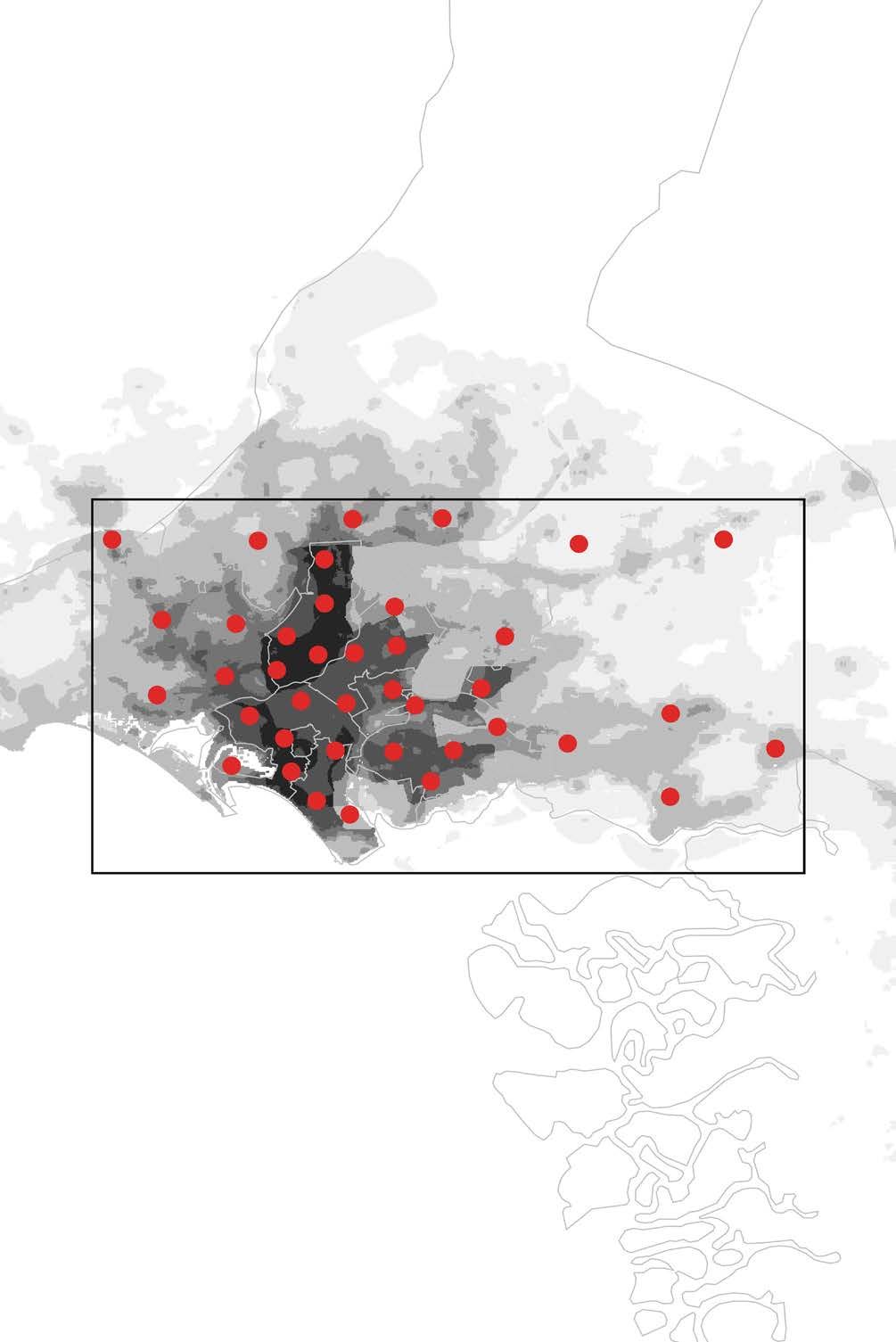
Establish an air quality monitoring network: Karachi urgently requires an expanded network of regulatory-grade CAQMS providing reliable, real-time data to regulators, researchers, and the public.
Strengthen cross-district coordination: Given Karachi’s complex administrative structure, establishing effective mechanisms for inter-agency and cross-district coordination is vital for consistent policy implementation and enforcement of environmental regulations.
Harmonize national best practices: Industrial emission standards applicable in Karachi must be harmonized with, and ideally strengthen, national best practices to eliminate regulatory gaps that may permit higher emissions compared to other regions or international benchmarks.
Public health warning systems: Implement systems for issuing timely public health advisories during high pollution episodes, particularly for vulnerable populations in high-emission zones. Ensure transparent public reporting of emissions data from major industrial facilities.
The implementation of these evidence-based interventions, tailored to Karachi’s unique emissions profile and targeting its dominant industrial, port-related, and transportation pollution sources, offers a clear pathway to substantially reducing harmful air pollutant levels and improving public health outcomes. The concentrated nature of many emission sources in designated industrial zones and transport corridors also provides strategic opportunities for high-impact, geographically focused interventions.
We already know what works. Clean industry, better fuels, safer trucks — the solutions are proven. What’s needed is political will and public awareness.