Karachi’s Clean Air Future
Karachi stands at a critical juncture. As Pakistan’s economic powerhouse and a rapidly expanding megacity, facing an air quality crisis that reduces average life expectancy by 2.7 years, the city has the opportunity and indeed, the imperative, to transition to a sustainable model of industrial and urban development. Such a model must reconcile economic growth with the fundamental right of its citizens to breathe clean air, ensuring environmental protection is not a secondary consideration but an integral component of its development trajectory.
A Clear Diagnosis: The Key Takeaways
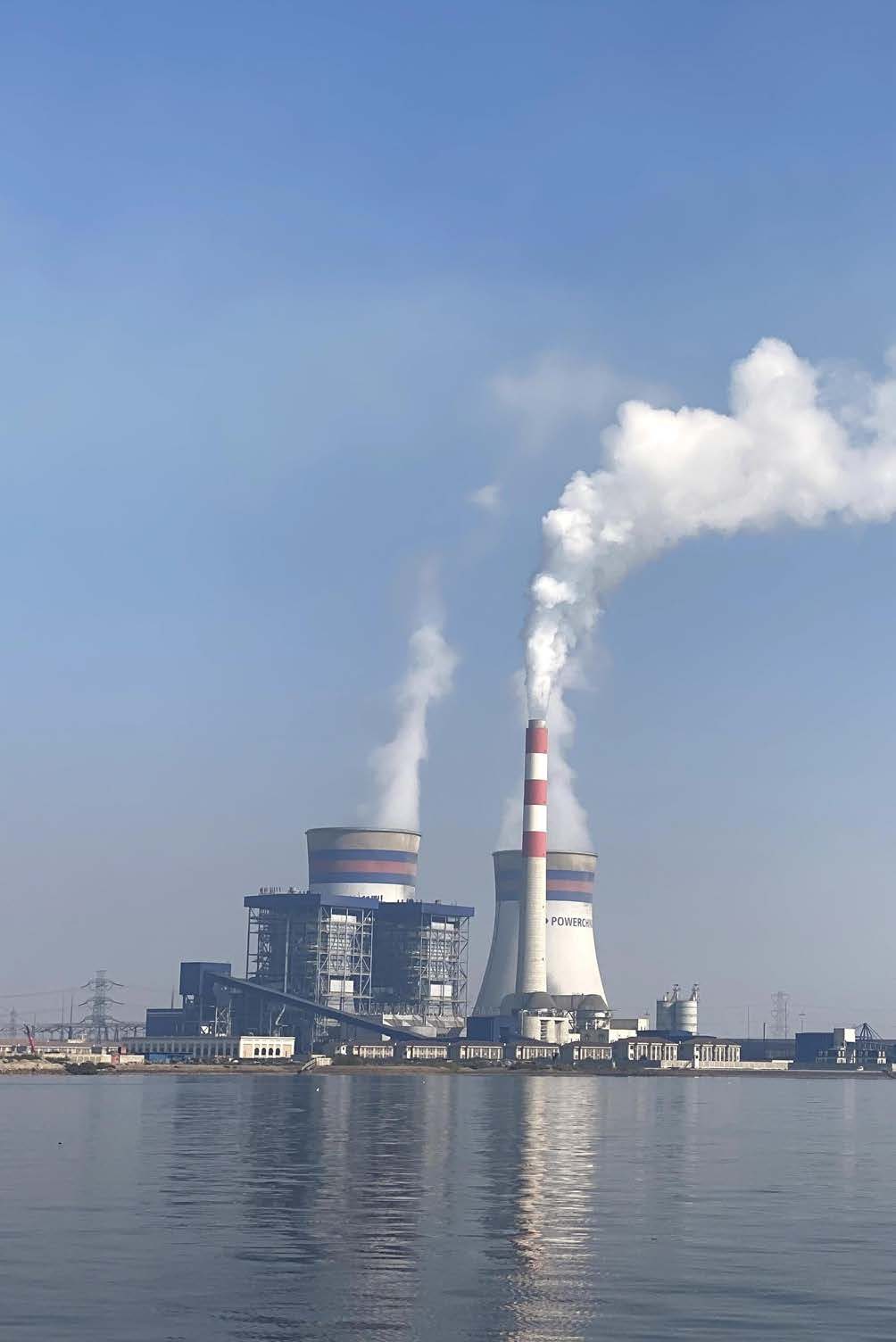
This emissions inventory provides unambiguous evidence that industrial activities are the cornerstone of any effective air quality management strategy for Karachi.
Unlike other urban centers in Pakistan where transportation emissions dominate the PM2.5 profile, Karachi’s significant industrial contribution (nearly 49% of PM2.5 emissions) necessitates a fundamentally distinct approach, centered on industrial modernization, adoption of cleaner technologies, and stringent emission controls. This industrial-centric strategy mirrors global best practices in other coastal industrial cities observed in numerous coastal industrial cities globally, where decades of experience have demonstrated that technological solutions can successfully decouple economic prosperity from environmental degradation.
The port and maritime sector represents a second distinctive and critical element of Karachi’s air quality challenge and, consequently, its solution pathway.
As Pakistan’s gateway to international trade, the city’s bustling port operations are indispensable drivers of economic growth but also significant contributors to the local emissions burden. Fortunately, a wealth of international precedents—from major ports like Rotterdam in Europe to Los Angeles on the US West Coast — demonstrate that interventions such as port electrification, provision of shore power for docked vessels, and promotion of cleaner shipping initiatives can dramatically reduce these environmental impacts while maintaining, and often enhancing, operational efficiency. These measures frequently offer co-benefits beyond air quality improvement, including reduced noise pollution and improved occupational health and safety in port areas.
From Diagnosis to Action: Implementing the Path Forward
Successfully implementing the comprehensive recommendations outlined in this report will require a concerted effort to address several underlying structural challenges:
-
Bridging the monitoring gap: Karachi cannot effectively manage its air quality without robust, continuous measurement. Expanding the air quality monitoring network and ensuring transparent data accessibility are paramount.
-
Strengthening regulatory capacity: Environmental protection agencies must be endowed with enhanced technical expertise, adequate resources, and unambiguous enforcement authority to ensure compliance with environmental regulations.
-
Leveraging economic instruments: Regulatory mandates should be complemented by well-designed economic instruments, such as emission charges, green taxes, or financial incentives, to encourage early adoption of cleaner technologies and foster innovation.
-
Enhancing public awareness: Raising public awareness about the health impacts of air pollution and the benefits of proposed interventions is crucial for creating the social license and political will necessary for implementing stronger pollution controls and ensuring community participation.
Karachi’s natural air circulation benefit, with its potential for natural ventilation through sea breeze circulation, offers a distinct advantage. This means that targeted emission reductions are likely to translate into more rapidly perceptible improvements in ambient air quality compared to inland cities that may grapple with more persistent meteorological trapping of pollutants. Such “quick wins” can be instrumental in building public confidence and sustaining momentum for more comprehensive and long-term air quality management strategies.
The Vision: A Healthier, Breathable Karachi
By systematically addressing its primary industrial and maritime emission sources, while simultaneously leveraging its natural geographical advantages, Karachi can achieve a transformative improvement in its air quality landscape without compromising its economic dynamism. The technical solutions are largely well-established, and this emissions inventory provides the requisite scientific foundation for their targeted and effective implementation.
With appropriate investment, unwavering regulatory commitment, and collaborative action from all stakeholders, Karachi can demonstrate that robust economic growth and stringent environmental protection are not mutually exclusive but are, in fact, complementary objectives.
In doing so, Karachi can establish a compelling model for sustainable industrial development, applicable not only throughout Pakistan but also for other rapidly urbanizing coastal cities in the region and beyond.
The science is now established; what remains is the collective resolve and practical action to transform these findings into tangible breathing space and healthier, longer lives for Karachi’s population.
We know the fixes. Karachi can choose clean air, or live with the consequences of inaction.